Did you know that people who set specific goals are up to 10 times more likely to succeed than those who don’t? It’s a number that might surprise you but highlights how goal setting strategies can make the difference between dreaming and achieving. If you’ve ever felt stuck or seen your ambitions drift away, the right strategies can give you clarity, direction, and the determination to reach even your most ambitious dreams. This comprehensive guide breaks down the best practices, actionable steps, and inspiring frameworks to help you move from intention to achievement.

The Essential Importance of Goal Setting Strategies
Understanding goal setting strategies is crucial for anyone aiming to accomplish anything meaningful—whether you’re seeking personal growth, aiming for professional milestones, or reshaping your life’s direction. These strategies serve as a reliable blueprint, transforming vague intentions into measurable outcomes backed by an effective action plan. Surprisingly, research by Dominican University found that individuals who simply write down their goals are 42% more likely to achieve them than those who keep them in their heads. This single act can launch you on the path to achieve your goals with renewed purpose and structure.
Goal setting strategies offer much more than a motivational boost. They create a system for tracking progress, developing habits, and building leadership skills that drive not only individual results but also empower teams and communities. When you set and achieve milestones using proven methods like the SMART goal framework, you develop focus, resilience, and the confidence to pursue even stretch objectives. No matter the size of your ambition, a clear strategy is the bridge between “someday” and “mission accomplished.”
Unlocking Success: Surprising Facts About Goal Setting
One remarkable fact: only 8% of people actually accomplish their New Year’s resolutions. The difference often lies in the goal setting process itself—whether or not you set realistic goals, make them measurable, and hold yourself accountable over a clear time frame. Studies show that individuals with specific, articulated goals make progress faster and persist longer—even when faced with setbacks.
It’s not just about luck or talent. The most effective performers, from Olympians to top entrepreneurs, attribute much of their success to structured goal setting strategies. Techniques such as breaking big goals into manageable steps, using visual reminders, and regular progress tracking are hallmarks of high achievers across every field.
Why Goal Setting Strategies Matter for Achieving Your Dreams
Your dreams matter—regardless of whether they revolve around professional goals, business achievements, personal growth, or launching a new product or service. Effective goal setting ensures that ambitions aren’t left to chance. By deploying proven strategies, you gain a clear sense of direction, motivate yourself through visible progress, and avoid the pitfalls of procrastination or self-doubt.
Moreover, goal setting transforms overwhelming ambitions into realistic outcomes. By identifying milestones and creating an action plan, you ensure every step is intentional—not accidental. This approach unlocks the power to achieve your biggest dreams, one concrete step at a time.

What You’ll Learn About Goal Setting Strategies
-
The core principles behind effective goal setting strategies
-
How to tailor smart goals for personal and professional achievement
-
Action steps to set and achieve realistic goals
-
Common obstacles and how to overcome them
-
Expert insights on sustaining motivation
Understanding Goal Setting: Definitions and Key Concepts

The Definition of Goal Setting Strategies
Goal setting strategies are systematic methods for identifying what you want to achieve, planning how to get there, tracking your progress, and making necessary adjustments. At their core, these strategies revolve around clarity, specificity, and accountability. Whether you’re looking to boost academic performance, master a new skill, or grow your business, effective goal setting requires more than wishful thinking—it calls for an intentional and structured approach.
When you engage with goal setting, it becomes easier to set goals that energize you, map out a timeframe, and develop an action plan that brings your ambitions to life. In other words, it’s less about dreaming and more about designing your future—knowing that with every small win, you are moving closer to achieving your goals.
Types of Goals: Short-term, Long-term, and Stretch
Every successful goal setting strategy begins with understanding the types of goals you can pursue. Short-term goals are usually accomplished within days or weeks—think “finish reading a book” or “complete next week’s ad campaign.” Long-term goals, on the other hand, might take months or even years, such as “launch a business” or “graduate college.” In between lies the stretch goal—ambitions that push beyond your comfort zone but inspire exceptional growth and creativity, like running a marathon with minimal experience or landing a top leadership position.
Each type of goal requires a tailored approach. Short-term goals keep momentum high and allow for quick wins. Long-term goals demand sustained effort and a strategic outlook to stay on track. Stretch goals are the ultimate motivators, requiring you to constantly recalibrate—and often leading to surprising achievements you might not have thought possible.

The Science Behind Effective Goal Setting
Neuroscience shows that the brain responds powerfully to written goals, visual reminders, and specific deadlines. The act of setting goals activates the prefrontal cortex, which enhances motivation, self-control, and the ability to resist distractions—key ingredients in effective goal setting. When your goals are measurable and progress is tracked, you get a biochemical boost of dopamine every time a milestone is reached, further reinforcing new habits and a growth mindset.
Moreover, research highlights that goal clarity increases confidence and improves performance. Techniques such as visualization, breaking down bigger ambitions into manageable targets, employing feedback loops, and reviewing results regularly all contribute to higher achievement. Whether your aim is to ramp up social media engagement, increase sales, or learn a new language, building your plans on the science of goals ensures steady progress.
|
Comparing Types of Goal Setting Strategies |
||||
|
Approach |
Definition |
Best For |
Strengths |
Limitations |
|---|---|---|---|---|
|
Traditional |
General aspirations or resolutions without specific measurements |
Casual personal aims |
Easy to start; broad vision |
Easily forgotten, hard to track progress |
|
SMART Goals |
Specific, Measurable, Achievable, Relevant, Time-bound |
Personal/professional growth, business goals |
Clarity, accountability, measurable success |
Requires upfront planning |
|
OKRs |
Objectives and Key Results framework |
Organizations, teams |
Alignment, transparency, adaptability |
Can be complex, needs regular review |
|
WOOP |
Wish, Outcome, Obstacle, Plan |
Personal habits, well-being |
Flexible, emphasizes overcoming obstacles |
Less structured for business |

The SMART Goals Framework: Building Block of Goal Setting Strategies
What Is a SMART Goal in Goal Setting Strategies?
-
Specific
-
Measurable
-
Achievable
-
Relevant
-
Time-bound
SMART goals turn big ideas into actionable objectives. A SMART goal removes ambiguity by answering: What are you trying to accomplish? How will you know when you’ve succeeded? Is your goal realistic? How does it connect to your larger goal or mission? And, by when do you plan to achieve it? For example, instead of “get in shape,” a SMART goal would be: “Run a 5k in under 28 minutes by September 30.” Clarity and focus at this level make a significant difference in achievement outcomes.
How to Write SMART Goals for Effective Goal Setting
Writing SMART goals involves transforming general intentions into precise, trackable action steps. Start by clearly defining your specific goal—the “what” and the “why.” Next, identify how you’ll measure your progress, such as “increase revenue by 10% in six months.” Ensure your goal is achievable—ambitious, but within the realm of possibility. Check that it’s relevant to your personal or business vision, and finally, attach a deadline or time frame to drive urgency and accountability. Review and revise as needed to stay motivated and make progress.
“A goal properly set is halfway reached.” – Zig Ziglar
Goal Setting Strategies for Success: Step-By-Step Guide
Step 1: Clarify Your Vision and Priorities

Begin the journey by defining your overarching vision and identifying your top priorities. Ask yourself: What matters most? What are your non-negotiable values, and how do they relate to your key ambitions? When you align your goals with personal and professional values, decision-making becomes easier, and motivation stays high. Write down your vision in clear, inspiring terms, and use it as a guiding “North Star” for all your actions. Whether you want to enhance business performance, improve a skill, or lead a successful ad campaign, aligning goals with your true priorities leads to meaningful progress.
It’s also helpful to use visual aids—vision boards, mind maps, or sticky notes—to make your values tangible. This initial clarity will help you distinguish between distractions and meaningful moves toward achieving your goals. Reflect on where you want to be in one year, five years, and beyond, ensuring each step moves you closer to that destination.
Step 2: Break Down Large Goals Into Manageable Actions
Large dreams can feel daunting until you break them into smaller, actionable components. Instead of thinking “grow my business,” identify specific tasks: revamp the website, launch new products and services, build a presence on key social media platforms, or develop a new ad campaign. Each task becomes a milestone on the path to your larger goal.
This breakdown makes progress visible and ensures you don’t become overwhelmed. Create checklists, set interim deadlines, and celebrate each completed step. Regular reviews help you stay on track, maintain momentum, and build the confidence needed to tackle more complex challenges.
Step 3: Set Realistic Goals While Dreaming Big

While ambition is essential, it’s just as important to anchor dreams in reality. You want stretch goals, but they should be within reach with consistent effort. Establish realistic goals based on your resources, skills, and current situation, yet don’t be afraid to push your boundaries. For instance, if your goal is to build a thriving business, set a challenging yet possible revenue target for the next quarter and an even bolder one for the next year.
Balancing bold aspirations with realism prevents frustration and fuels motivation. Check-in regularly, evaluate if timelines or resources need adjusting, and always tie each step back to your central vision. This approach keeps you stretching, improving, and achieving, no matter how high your ambitions.
Step 4: Monitor, Adapt, and Adjust
The path to achieve success is rarely linear. Regular progress checks ensure you’re heading in the right direction. Use digital tracking tools, bullet journals, or even simple spreadsheets—anything that helps you stay aware of your wins and needed adjustments. If something’s not working, don’t hesitate to pivot. The best goal setting strategies are flexible and adaptive.
Tracking Progress Toward Achieving Your Goal
Continual monitoring is at the heart of effective goal setting. Build in time for regular reviews—weekly, monthly, or quarterly—to celebrate small gains and spot areas for improvement. Adjust goals in response to new information, changing circumstances, or unexpected successes. This ability to adapt keeps goals relevant, prevents discouragement, and maintains consistent progress toward achieving your goals.
Step 5: Stay Motivated and Accountable
Accountability and motivation fuel long-term accomplishment. Share your goals with a trusted friend, join an accountability group, or use goal-tracking apps. Visualize your success daily through reminders, vision boards, or positive affirmations. When you feel your motivation dip, revisit your reasons for pursuing the goal and the progress you’ve already made.
Recognize obstacles as natural parts of the journey, not as reasons to stop. Each time you adapt, persist, and push through, your confidence grows. As you celebrate each milestone, your momentum multiplies, and success feels within reach—no matter how ambitious your dream.
Video Explainer: Applying Goal Setting Strategies in Daily Life
Overcoming Obstacles in Goal Setting Strategies
Identifying Barriers to Effective Goal Setting

Success often means navigating obstacles like lack of clarity, self-doubt, time constraints, or shifting priorities. Identifying these barriers early is crucial. Common pitfalls include setting overly vague goals, ignoring feedback, or losing motivation when life gets in the way. Understand that setbacks are not failures—they’re detours helping you learn, refine your approach, and ultimately achieve your goals more effectively.
List out possible obstacles for each goal and brainstorm solutions in advance. Create contingency plans, whether it’s finding an accountability partner, using a different app, or adjusting your deadlines. Overcoming barriers is a hallmark of high achievers and a critical part of the goal setting journey.
How to Maintain Focus and Consistency
It’s easy to get distracted in our always-on, fast-paced world. To maintain momentum, set dedicated time slots for reviewing your goals, avoid multitasking, and minimize interruptions during focus sessions. Consider creating a ritual or routine—like a morning review or evening accountability check-in—to keep your priorities front and center. Tools such as reminders, habit trackers, or even handwritten lists can help you stay on track amid competing demands.
Consistency is more valuable than intensity. Even on tough days, progress—however small—adds up. Over time, these micro-wins compound, powering you through tough stretches and keeping your eyes on the big prize.
Expert Tips for Achieving Your Goal and Sustaining Progress

The Role of Mindset in Effective Goal Setting Strategies
Adopting a growth mindset is foundational to sustained achievement. When you view setbacks as opportunities for learning—not as signs of inadequacy—your approach to goals shifts. Confidence grows not just from achievement, but from resilience in the face of challenges. Belief in your ability to adapt and improve fuels consistent progress and is the difference between abandoning a large goal and pushing through to the finish.
Practice self-compassion during setbacks and reinforce your commitment to continuous growth. Surround yourself with supportive voices—mentors, coaches, or empowering communities—to maintain motivation and keep moving forward.
Leverage Accountability: Partners, Tools, and Technology
-
Goal-tracking apps
-
Journaling
-
Accountability groups
In the digital age, accountability has never been easier. Apps like Habitica or Trello keep your goals visible and progress actionable. Journaling offers a reflective space to track progress, recognize patterns, and course-correct when needed. Accountability groups—whether in person or online—provide external motivation, constructive feedback, and an environment of shared progress. These resources make it easier to set and achieve ambitious milestones, maintain consistency, and enjoy the journey.
Celebrate Small Wins to Motivate Long-Term Success
Psychological research makes it clear: celebrating small milestones triggers positive emotion and reinforces progress. Don’t wait until the end to acknowledge success. Break big goals into manageable steps and rejoice in each incremental win, whether it’s completing a chapter, finalizing a design, or nailing a presentation. Simple acts like sharing with a friend, tracking your progress visually, or treating yourself help sustain drive for the long haul.
Recognition isn’t just a reward—it’s a powerful reminder that you’re moving forward. These celebrations build the momentum needed to conquer even your most intimidating goals.
Success Stories with SMART Goals & Goal Setting Strategies
People Also Ask: Goal Setting Strategies
What are the 5 R’s of goal setting?
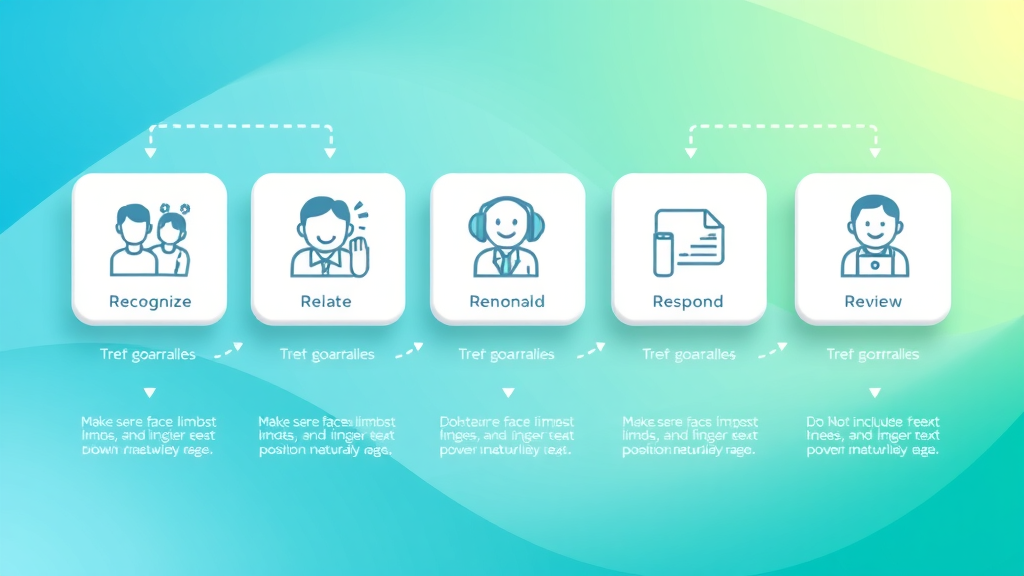
Answer: An explanation of Recognize, Relate, Reformulate, Respond, and Review in goal setting strategies.
Recognize your current situation and what you aspire to achieve. Relate your goals to your resources and values, ensuring a personal connection. Reformulate goals as new information or feedback emerges, adapting to stay relevant. Respond by taking consistent, measurable action toward your objectives. Finally, Review your progress regularly to celebrate wins and recalibrate as necessary—turning these five R’s into the backbone of effective goal setting strategies.
What are good goal setting strategies?
Answer: Overview of proven goal setting strategies such as SMART goals, visualization, milestone tracking, and feedback.
Some of the best goal setting strategies include using the SMART goal method for clarity, embracing visualization to keep your target in mind, breaking large objectives into mini-milestones to ensure steady progress, and seeking regular feedback from mentors or peers. By combining these, you build a powerful framework to set and achieve personal and business goals while avoiding common obstacles like vague intentions or lack of motivation.
What are the 5 F’s of goal setting?
Answer: Definitions and applications of Fit, Focus, Function, Feedback, and Flexibility within goal setting strategies.
The 5 F’s—Fit, Focus, Function, Feedback, and Flexibility—help make your goal setting strategies sustainable. Fit means aligning goals with your true values and capabilities. Focus is about maintaining attention on priorities. Function ensures your action plan is practical and actionable. Feedback is the process of gathering input on your progress, and Flexibility allows you to adapt when circumstances change, ensuring you continue to move toward achieving your goal.
What are the four strategies to setting a goal?
Answer: Step-by-step explanation: make it specific, set time limits, make it challenging yet realistic, and get feedback.
The four essential strategies are: 1) Make your goal specific so your intentions are clear; 2) Set a firm time frame by choosing a start and end date; 3) Ensure your goal is both challenging and realistic, pushing you without overwhelming; and 4) Get regular feedback through self-reflection or external sources so you can stay on track and adjust as needed. These steps increase your odds of success dramatically.
Lists: Common Mistakes to Avoid in Goal Setting Strategies
-
Setting vague goals
-
Lack of tracking
-
Ignoring accountability
-
Overlooking obstacles

FAQs About Goal Setting Strategies
-
How often should I review my goals?
Review your goals at least monthly—though weekly check-ins are even better. Regular reviews help you spot progress, make adjustments, and maintain motivation as you work toward achieving your goals. -
Can goal setting strategies be used for teams?
Absolutely! Teams benefit from shared vision, clear roles, and aligned OKRs or SMART goals. Goal setting strategies foster collaboration, accountability, and measurable results for groups of any size. -
What should I do if my goal is no longer relevant?
If circumstances change, don’t be afraid to reformulate or replace goals. The key to effective goal setting is adaptability—aligning new goals with evolving priorities ensures ongoing progress and fulfillment. -
Are there technology tools that support goal setting?
Yes! Goal-tracking apps like Trello, Notion, or Todoist, as well as wearable trackers and calendar reminders, all support the goal setting process. Choose what fits your workflow to help stay on track and document your progress.
Key Takeaways: Mastering Goal Setting Strategies
-
Clear, specific goals drive measurable success
-
Regularly reviewing and adapting your goals leads to lasting achievement
-
Effective goal setting strategies foster motivation and focus