Did you know that it takes an average of 66 days to form a new habit? This surprising statistic from a University College London study completely redefines what most people think about changing their lives for the better. Many of us believe we can turn over a new leaf overnight, but real, lasting change—like building a daily habit or breaking bad habits—requires more patience, strategy, and self-compassion. This article uncovers everything you need to know about the science of habit formation, why lasting change is possible, and the specific tricks to help you succeed.
Unlocking Habit Formation: Why Lasting Change Is Possible
“According to a 2009 study from University College London, it takes an average of 66 days to form a new habit.”

The journey of habit formation often appears daunting at first, especially in a world flooded with instant gratification. Yet, research—including the landmark findings by Lally et al.—shows that behaviors become automatic with consistent repetition over time. The idea that habits form in just 21 days is a myth; in fact, the pathway to lasting positive change involves understanding the underlying process, practicing patience, and using actionable strategies. By tapping into the latest habit research, you can leverage new insights and proven tricks to transform even the most stubborn routines in your daily life.
One of the most significant breakthroughs in behavioral science is the recognition of the habit loop: cue, routine, and reward. When you intentionally design these loops, positive and healthy habits naturally take root, replacing previously automatic bad habits. By mastering the science behind how habits form—and, just as importantly, why they fail—you can engineer your environment and mindset for sustainable success. Let’s explore the secrets to forming habits that truly last.
The Power of Habit: Challenging Conventional Wisdom
Many believe lasting behavioral change is simply a matter of willpower, but expert studies in habit formation prove otherwise. As Charles Duhigg, author of The Power of Habit, and researchers like Wendy Wood explain, habits are less about striving and more about structure. The brain’s basal ganglia—not conscious thought—drives habitual behavior, meaning that building healthy habits often requires tweaking context and routines instead of relying solely on intention. This shift in perspective frees us from frustration and sets us up for consistent progress using science-backed strategies.
Repeated behaviors in a consistent context (same time of day, same environment) become automatic, making them more likely to stick. Even when a bad habit is deeply ingrained, understanding the habit loop provides a roadmap to redirect your responses and reinforce more desirable routines in your daily life.
What You’ll Learn About Habit Formation
-
Foundational science behind habit formation
-
How to leverage the habit loop for positive change
-
Proven strategies for forming healthy habits
-
Common myths and how to overcome them
-
Expert-recommended habit formation techniques
The Science of Habit Formation: How Do Habits Form?
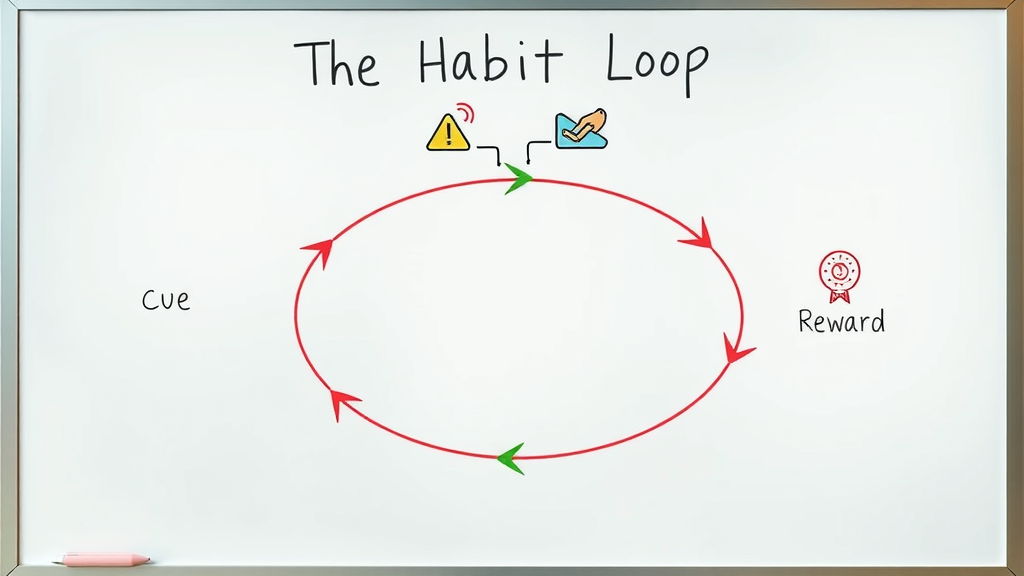
The science of habit formation has advanced remarkably in recent years, revealing why some habits form easily while others seem to resist change. At the core is the habit loop: a cycle of cue (trigger), routine (behavior), and reward (positive outcome). According to habit research, our brains are constantly on the lookout for cues that signal which routine to deploy, often relying on the basal ganglia to automate actions and conserve mental energy.
When forming a new healthy habit—like drinking water regularly or increasing physical activity—repetition is key. Performing a behavior at the same time of day and in a familiar environment encourages the development of automaticity. Habits glue themselves to daily routines, eventually happening with little or no conscious thought. The process relies on rewards—either intrinsic (a feeling of accomplishment) or extrinsic (a small treat)—to reinforce behavior and encourage repetition, ensuring the newly formed behavior becomes a deeply rooted daily habit.
Understanding the Habit Loop
The habit loop is foundational for anyone hoping to form habits or break bad habits. This loop consists of three major elements: the cue (a trigger that initiates a behavior), the routine (the action itself), and the reward (the pleasure or benefit received). For example, seeing your running shoes by the door (cue), going for a jog (routine), and enjoying an endorphin rush (reward) work together to build a sustainable, healthy habit over time.
By intentionally adjusting cues in your environment and ensuring that routines are easy and satisfying, you can cultivate healthy behaviors more effectively. This loop not only empowers you to form habits but also plays a critical role in replacing bad habits with better ones, making it the basis for all habit formation strategies.
Key Brain Mechanisms in Habit Formation
Neuroscience shows that the basal ganglia, a group of nuclei deep within your brain, is especially important in forming habits. It takes over repetitive actions, so they require less conscious thought—a process critical for efficiency in daily life. As a behavior becomes more familiar, less of your prefrontal cortex (the brain’s decision-maker) is involved, allowing your mind to focus on new challenges while automatic habits run in the background.
These findings support why the first phase of habit formation—when repetition is deliberate—often feels difficult or awkward, but with persistence, the formation process shifts control to the brain’s automatic systems. Research by Lally et al. and major contributors to behavioral change demonstrate that consistency, not perfection, is what helps transform a conscious action into a healthy habit.
-
Cue: Trigger that signals habit start
-
Routine: The repeated action or behavior
-
Reward: Positive feedback reinforcing the behavior
Breaking Down the Habit Formation Process
Stages of Habit Formation: From Trigger to Automaticity
The habit formation process involves transitioning behaviors from deliberate effort to effortless routine. Typically, the journey begins with a conscious cue and craving, which motivate a response (the desired action), followed by a reward that cements the behavior. Over time and through frequent repetition, automaticity develops, and the behavior becomes a true habit.
While cue, routine, and reward are classic stages, researchers have expanded the model to include “craving”—the emotional or psychological motivation that bridges cues to routines. Recognizing and consciously shaping each stage makes it more practical to design routines that support healthy habit building and break cycles associated with bad habits.
|
Stage |
Description |
Example |
|---|---|---|
|
Cue |
The trigger, signal, or environment that initiates the behavior. |
Seeing a glass on the table reminds you to drink water. |
|
Craving |
The desire or motivation created by the cue. |
You suddenly feel thirsty upon noticing the glass. |
|
Response |
The action or routine performed. |
Picking up the glass and drinking water. |
|
Reward |
The positive feedback that reinforces the cycle. |
Feeling refreshed and satisfied. |

Core Principles of the Power of Habit
“Every habit starts with a psychological pattern called a ‘habit loop,’ a three-part process.” – Charles Duhigg, author of The Power of Habit
Initiating the Habit Loop: Cues and Triggers

Building a habit loop begins by carefully selecting cues and triggers. These can be visual (placing gym shoes by the door to signal exercise), auditory (phone alarm for meditation), or contextual (tying behavior to a specific time of day). The more direct and consistent your cues are, the better your chances of habit formation. Importantly, start with small, manageable actions—walking for five minutes, drinking a glass of water on waking—that are simple enough to repeat daily without much friction.
The routine, or the behavior you want to adopt, should be linked with a reward. For example, if your goal is to establish a healthy habit like morning stretching, placing the yoga mat beside your bed each night acts as a powerful reminder. Choose cues that fit naturally into your daily routine and personalize them for your environment and lifestyle, setting the stage for automatic, positive change in your life.
Sustaining Motivation for Healthy Habit Formation
Motivation is a limited resource, especially when routines feel burdensome. To sustain healthy habits, tap into rewards that are immediate and meaningful to you, whether it’s a sense of accomplishment or a tangible treat. Track your consistency over time—a calendar or habit tracker can make your progress visible, turning repetition into a reward in itself.
Social support is also an underrated motivator in habit formation. Sharing your goals with friends or joining a supportive community can increase accountability and reduce the risk of reverting to old patterns. If setbacks happen (and they will), focus on restarting small, achievable actions to quickly regain momentum rather than aiming for perfection.
Effective Tricks to Form Habits That Last
-
Start with small, clear habits: Begin with a manageable behavior, such as drinking one glass of water each morning or taking a five-minute walk after dinner.
-
Stack new habits onto existing routines: Link your desired action to an established routine (e.g., stretching after brushing your teeth).
-
Track your progress visually: Use a habit journal, calendar, or app to visually measure your consistency.
-
Use rewards to reinforce progress: Celebrate small victories with positive feedback—a healthy snack, a favorite show, or simple recognition.
-
Expect setbacks and plan for them: Acknowledge that failure is part of the process. Plan recovery steps for busy days or unexpected disruptions.

From Intention to Action: Building Healthy Habits
Design Your Environment for Healthy Habits

Your physical environment directly impacts your ability to form habits. For example, if your goal is to eat healthier, placing a fruit bowl at the center of your kitchen encourages better choices. Similarly, keeping workout clothes visible or storing a refillable water bottle at your desk prompts more physical activity and hydration throughout the day. Restructuring your surroundings to minimize barriers to good choices is a powerful, often overlooked strategy in healthy habit development.
Environmental design also helps reduce reliance on willpower because it makes the right choice the easy choice. The fewer decisions you have to make (especially amid daily distractions like social media), the more likely you are to stick with your positive behavior, making the habit loop robust and automatic over time.
Accountability and Social Support in Habit Formation
When it comes to sticking with new routines, accountability can make or break your efforts. Whether through a workout partner, family member, or a digital community, having someone to check in with increases your likelihood of sticking to healthy behaviors. Group challenges, public commitments, and sharing progress foster an environment where positive pressure drives you forward.
Studies show that group habit formation strategies are often more successful than going solo. Tracking progress collectively, celebrating group milestones, and leveraging gentle competition make forming habits feel rewarding and fun. On the flip side, individual routines give autonomy and allow customization when you need it most. Both approaches can work—best results often come from blending personal accountability with supportive social connections.
|
Strategy |
Benefits |
Challenges |
|---|---|---|
|
Individual Habit Formation |
Customizable, flexible, builds personal discipline, suitable for introverts |
Requires high self-motivation, may lack accountability, easier to skip |
|
Group Habit Formation |
Increases accountability, provides encouragement, collective rewards |
Schedule coordination, risk of comparison, less customization |
Common Pitfalls: Why Habits Fail to Form
Overcoming the Plateau: Power of Habit in Setbacks

Many people struggle with plateaus—a phase when progress seems to stall. This is a normal part of the habit formation journey. During these times, your willpower and motivation may wane, and setbacks (like missed days or lapses into bad habits) can be discouraging. Recognizing plateaus as inevitable helps you respond with self-compassion rather than frustration, refocusing your energy on small, repeatable actions.
The power of habit lies in resilience. Each restart strengthens the neural pathways required for the development of automaticity, ultimately transforming the behavior into a healthy habit. The key is to keep your cues visible, routines manageable, and rewards meaningful—even when enthusiasm dips or life gets busy with daily routine demands.
Resetting the Habit Loop After Failure
Everybody slips up. But falling off track doesn’t mean failure; it simply signals a need to reset your approach. If you’ve broken a streak, analyze what triggered the lapse. Was it a shift in environment, emotional stress, or a disruption in daily life? Identify opportunities to fortify weak spots: tweak cues, simplify routines, or increase rewards. Sometimes, even moving the action to a different time of day can reignite progress.
Habit research by behavior scientists highlights the importance of grace periods—short time windows allowing you to resume your plan without guilt. Forgiveness and flexibility help prevent a single lapse from derailing long-term progress. Remember: every restart counts toward establishing the healthy habits you want for your future self.
Success Stories: How Healthy Habits Changed Lives
“Implementing small, consistent habits is the fastest way to create meaningful change.” – Expert testimonial
Case Studies: Habits Form and Lasting Transformation

Real-world examples show the profound impact that habit formation can have on health and happiness. For instance, one participant in a fitness group replaced daily social media scrolling with a quick workout—using group accountability and visual tracking to build consistency. Over months, this individual not only improved their physical activity and fitness, but also reported reduced stress and better overall well-being.
Another success story comes from someone aiming to improve public health by establishing a water-drinking habit. By consistently keeping a water bottle within arm’s reach, they replaced sugary sodas with water, resulting in improved energy and weight management over time. Such transformations illustrate the power of replacing bad habits with healthy ones, both individually and in a community setting.
People Also Ask: Your Habit Formation Questions Answered

What are the 4 stages of habit formation?
Answer: The 4 stages include cue, craving, response, and reward, which together complete the habit loop and enable automatic behavior.
What is the 21-90 habit rule?
Answer: The 21-90 rule suggests it takes 21 days to build a habit and 90 days to make a lifestyle change, although true timelines may vary.
What is the 3 3 3 rule for habits?
Answer: The 3 3 3 rule encourages establishing 3 daily, weekly, and monthly habits to maintain focus and consistency over time.
Does it really take 21 days to break a habit?
Answer: While the 21-day period is popularized, research indicates breaking habits can take much longer depending on the habit’s complexity and personal factors.
Expert Quotes on the Power of Habit Formation
“Change might not be fast and it isn’t always easy. But with time and effort, almost any habit can be reshaped.” – Charles Duhigg
FAQs About Habit Formation
-
How long does it actually take for habits to form?
The average days to form a new habit varies by complexity and individual differences—anywhere from 18 to 254 days, with 66 days as a median, according to Lally et al. Stick with it! -
What is the best way to reset after breaking a habit?
Reflect on what triggered the lapse, simplify your next step, and start again as soon as possible—self-forgiveness plays a huge role in getting back on track. -
Are there habits that are harder to form than others?
Yes; routines involving major changes to your daily life, or those that go against ingrained bad habits or social norms, can take much longer to become automatic. -
Can technology help in the habit formation process?
Absolutely. Habit tracker apps, social platforms for group challenges, and even wearable devices can boost accountability and remind you to repeat healthy behaviors daily.

Key Takeaways: Achieving Lasting Change Through Habit Formation
-
Focus on the habit loop to drive automatic behaviors
-
Leverage small steps for significant change
-
Consistency and environment matter
-
Patience and self-compassion are crucial