“According to a 2023 APA survey, over 55% of adults believe that mindfulness and self awareness have directly improved their mental health.” – Opening Hook
Imagine waking up every day feeling grounded, calm, and ready for whatever comes your way. Recent research reveals that more than half of adults credit mindfulness and self awareness for noticeable improvements in their mental health. In a world swirling with distractions and noise, these practices stand out as powerful anchors for true inner peace. This article explores the mechanisms of mindfulness, the nuances of self awareness, and shared expert opinions—empowering you to weave these transformative habits into daily life.
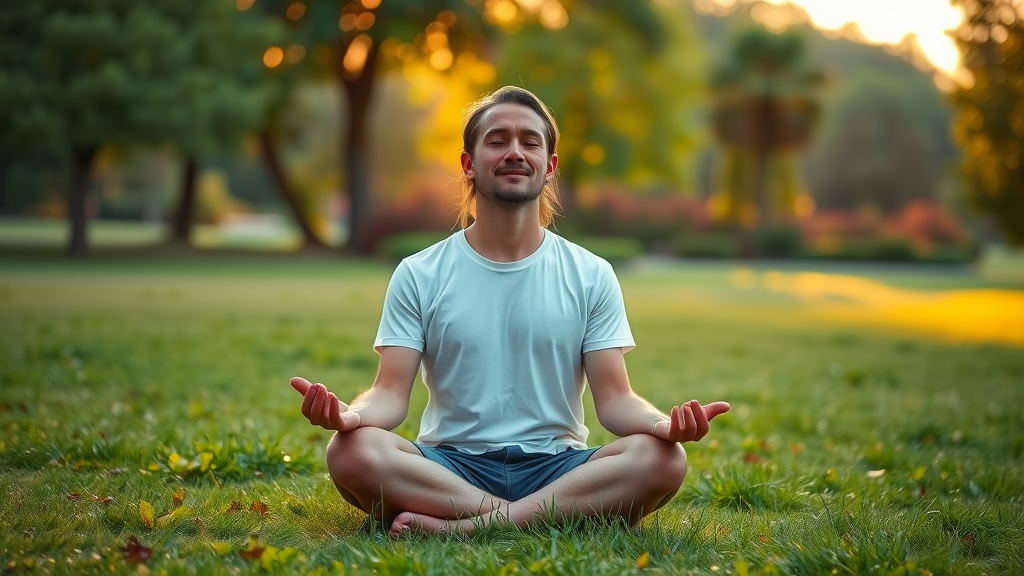
Unlocking the Power of Mindfulness and Self Awareness: A Startling Perspective
Mindfulness and self awareness are more than trending buzzwords; they are foundational tools for building resilience and achieving genuine tranquility. The ability to pay attention to the present moment, observe your thoughts and feelings without judgment, and gain clarity about your internal experience has profound positive effects on your emotional state, mental health, and life satisfaction. Through meditation training and mindfulness practice, individuals consistently report enhanced self-regulation, reduced negative affect, and a wide range of benefits that extend from personal relationships to professional success. Studies suggest that those who embrace a mindful awareness develop a stronger connection to their body and mind, resulting in positive affect and long-term wellbeing.
From controlling cognitive processes to nurturing a close friend–like relationship with your thoughts, unlocking the mechanisms of mindfulness can bring true peace, even within chaos. This perspective highlights why so many turn to mindfulness meditation, dispositional mindfulness, and mindful awareness as a pathway toward lasting fulfillment.

What You’ll Learn about Mindfulness and Self Awareness
-
The scientific mechanisms of mindfulness
-
How mindfulness practice enhances dispositional mindfulness
-
The distinct and overlapping traits of mindfulness and self-awareness
-
Practical steps to develop mindfulness and self awareness in daily life
-
Expert perspectives and personal viewpoints on true peace
Understanding Mindfulness and Self Awareness
The Mechanisms of Mindfulness: How They Shape Self Awareness
-
Neuroscientific foundations
-
Benefits on mental clarity
-
Role in emotional regulation
At its core, mindfulness is the practice of paying attention to what is happening, in the present moment, with curiosity and kindness. Recent neuroscientific research pinpoints the mechanisms of mindfulness, revealing how mindful awareness strengthens brain networks essential for attention control and self-reflection. Enhanced awareness of one’s internal experience helps regulate emotional state, minimizing negative affect and increasing positive affect. Multiple studies suggest that regular mindfulness practice activates neural plasticity, allowing the brain to adapt, improve emotional regulation, and promote overall mental health.
When we consistently engage with mindful awareness, we train our mind to recognize cognitive processes and emotional responses objectively. This not only supports better decision-making but also fosters life satisfaction by cultivating a compassionate attitude towards oneself and others. The mechanisms of mindfulness provide the lens for deeper self-awareness, fueling insights that break automatic patterns and offer clarity for authentic change.
Dispositional Mindfulness and Its Impact
-
Defining dispositional mindfulness
-
How it differs from mindfulness practice
-
Evidence-based outcomes
Dispositional mindfulness refers to the natural, trait-like tendency to remain consciously aware of the present moment, across a variety of settings. Unlike mindfulness practice, which is cultivated through intentional exercises such as mindfulness meditation, dispositional mindfulness is measured using assessments like the mindful awareness or facet mindfulness questionnaire. Individuals with higher dispositional mindfulness tend to experience increased prosocial behavior, reduced negative affect, and improved emotional resilience in daily life.
A number of studies support the claim that dispositional mindfulness leads to better self-regulation, lower stress, and greater well-being, independent of formal meditation training. Evidence-based outcomes include sustained gains in cognitive process control, balanced mood, and robust mental health. Moreover, people who rate high in dispositional mindfulness are more likely to report life satisfaction, as their ability to act with awareness and notice subtle shifts in their emotional state supports ongoing growth and positive change.
The Relationship Between Mindfulness Practice and Self-Awareness
-
Habit formation
-
Practical exercises
-
Long-term benefits
Mindfulness practice is a structured approach to developing self-awareness, where habit formation is central. By intentionally returning attention to the breath or bodily sensations, individuals train themselves to observe thoughts and feelings without immediately reacting. Simple yet powerful exercises—like mindful breathing or journaling—help embed these behaviors in daily routine, transforming momentary awareness into a stable personality trait over time.
The long-term benefits of mindful awareness and mindfulness meditation are validated by a growing number of studies. Practitioners often report improved stress management, better relationships (feeling like a close friend to oneself), and decreased negative affect. Crucially, the effects of mindfulness strengthen one’s ability to notice and work with internal experience as it unfolds, leading to greater self-regulation, flexibility, and an enduring sense of peace.

Opinion: Why Mindfulness and Self Awareness Are Essential for True Peace
“True peace is not the absence of chaos, but the harmony gained through mindfulness and self awareness.” – Author’s Perspective
-
Personal growth through mindfulness
-
Overcoming stress and anxiety
-
Finding contentment in daily life
In my experience, embracing mindfulness and self awareness has been transformative, both personally and in the lives of others I’ve encountered. Unlike fleeting moments of calm, true and lasting peace is cultivated from the inside out—through consistent practice, honest self-observation, and compassionate acceptance of one’s thoughts and feelings. Mindful awareness fosters personal growth by deepening our connection to the present moment and nurturing the ability to disengage from negative affect and repetitive thought patterns.
When stress and anxiety seem inevitable, it is mindfulness practice that provides the tools to return to center and respond with composure—rather than reactivity. Life becomes more manageable, and even everyday moments are imbued with a sense of contentment. This is not to say the path is always easy, but every step toward greater awareness brings us closer to true peace, where harmony persists even when life’s circumstances are unpredictable.
Mechanisms of Mindfulness: Scientific and Practical Insights
|
Mechanism |
Description |
Benefit |
|---|---|---|
|
Attention Control |
Ability to direct and sustain focus on present moment experiences |
Sharpens mental clarity; reduces distractibility |
|
Self-Reflection |
Conscious observation of one’s thoughts, emotions, and actions |
Promotes self-understanding and authentic living |
|
Emotional Regulation |
Managing emotional responses without suppression or excess reactivity |
Stabilizes mood, lowers stress, enhances positive effects |
|
Neural Plasticity |
Ability of the brain to reorganize patterns through consistent practices |
Improves resilience and supports long-term habit formation |
How Dispositional Mindfulness Fosters Authentic Living
Authentic living is the byproduct of consistently applied dispositional mindfulness. When mindfulness becomes a natural trait, it empowers us to approach every experience with curiosity, compassion, and acceptance. People with high dispositional mindfulness act with awareness, quickly spotting cognitive process shifts that influence their reality. This authenticity is evident in everyday choices, in how we treat close friends, and in the ease with which we bounce back from setbacks.
Studies suggest that dispositional mindfulness not only boosts positive affect but also motivates prosocial actions and helps individuals maintain alignment with personal values and goals. This intrinsic ability enables us to respond skillfully to challenges, rather than react impulsively, laying the groundwork for an authentic and satisfying life.
Role of Mindfulness Practice in Enhancing Self Awareness
The gift of mindfulness practice lies in its capacity to continually refine our self-awareness. Through repetitive meditation training and structured mindfulness exercises, we strengthen our ability to notice subtle shifts in our emotional state and internal experience. This makes it easier to disrupt habitual responses, redirect our focus, and cultivate a compassionate attitude towards our thoughts and feelings.
Countless scientific studies conclude that the effects of mindfulness meditation are incremental but powerful: reduced symptoms of anxiety, a more balanced mood, and an improved sense of overall wellbeing. By increasing prosocial tendencies and fostering mindful awareness, regular practice builds a stable foundation for ongoing self-awareness, making peace and contentment accessible in every domain of life.

Mindfulness Practice: Tips and Techniques for Everyday Life
-
Morning routines
-
Mindful breathing exercises
-
Journaling for increased self-awareness
-
Guided meditations
“Even a few minutes of mindfulness practice daily can rewire the brain for resilience and openness.” – Prominent Mindfulness Researcher
Incorporating mindfulness practice into daily life doesn’t require hours of meditation training or complex rituals. Start with a short morning routine: spend a few quiet moments paying attention to your breath, stretching, or simply observing the world outside your window. Mindful breathing exercises, where you focus on each inhale and exhale, can be done anytime to bring you back to the present moment and quiet racing thoughts and feelings.
Journaling is another effective way to increase self-awareness and process your internal experience. By honestly capturing your observations, you gain valuable insights into your emotional state and mental habits. Guided meditations—readily available as apps or online videos—offer structured support, especially for beginners. Remember, a wide range of positive effects arise from even modest, consistent practices, making mindfulness meditation an attainable tool for everyone.

Challenges in Achieving Mindfulness and Self Awareness
-
Common barriers: distractions, skepticism, lack of time
-
Overcoming negative self-talk
-
Establishing consistency in mindfulness practice
“Becoming self-aware isn’t about perfection, it’s about honest observation.” – Expert in Mindfulness Education
Achieving mindfulness and self awareness is not without its obstacles. Modern life bombards us with digital distractions, relentless to-do lists, and an ever-present inner critic. Many people feel skeptical about mindful awareness or struggle with a perceived lack of time. Negative self-talk can derail progress, making us question the value or effectiveness of mindfulness practice altogether.
The key is to embrace imperfections and return to the practice with honesty and kindness. Approach your journey with realistic expectations: small daily rituals, like mindful breathing or brief meditation training, accumulate positive effects over time. Establishing consistency becomes easier when you celebrate small wins and remember that increased self-awareness is not about perfection, but about being present and engaged with what is real in the moment.

Real-life Stories: Transformations Through Mindfulness and Self Awareness
-
Profiles of individuals
-
Key turning points
-
Unexpected outcomes
Real-world stories provide compelling evidence for the transformative potential of mindfulness and self awareness. Consider the journey of an elderly client who struggled with chronic anxiety for decades. Through consistent mindfulness practice—including mindful walking and journaling—she learned to gently observe her thoughts and emotional state without judgment. Her key turning point came when she realized that peace was not about avoiding life’s difficulties, but about meeting them with a clear, present-moment focus.
Another example involves a busy professional whose daily mindfulness meditation sessions sparked a cascade of positive changes. Not only did he report improved creativity and life satisfaction, but relationships with colleagues also blossomed as he became more emotionally attuned and less reactive. In both cases, unexpected outcomes—like greater empathy and resilience—emerged, confirming the wide range of benefits associated with mindfulness training.

The Difference Between Mindfulness and Self Awareness Explained
-
Definitions and origins
-
Overlap and divergence
-
When to focus on each skill for maximum impact
Mindfulness and self awareness are intimately connected, yet distinct. Mindfulness refers to the active process of paying attention to the present moment, while self awareness encompasses a wider knowledge of one’s internal experience, emotional state, and behaviors across various contexts. Many mindfulness practices are designed to enhance self-awareness, but the latter also relies on external feedback and personal insight.
Understanding when to focus on each is crucial: mindfulness is particularly effective when coping with stress, anxiety, or a distracted mind. In contrast, self-awareness helps us navigate interpersonal dynamics and align actions with values. A synergistic approach—where mindful awareness underpins self-awareness—brings maximum benefit for authentic growth.
The 3 C’s of Mindfulness in Practice
-
Curiosity
-
Courage
-
Compassion
-
Examples of applying the 3 C’s
Effective mindfulness practice is grounded in the three C’s: curiosity, courage, and compassion. Curiosity opens us to new insights by encouraging exploration without preconceived notions. Courage supports us in facing difficult emotions or experiences without avoidance. Compassion is essential for meeting ourselves—and others—with gentleness, acceptance, and an open heart.
These attitudes are not just theoretical. For instance, applying curiosity during a tense interaction enables deeper perspective-taking, while courage helps us acknowledge mistakes without self-judgment. Compassion soothes the inner critic, transforming harsh self-talk into constructive, supportive dialogue. With consistent application, these qualities fundamentally change how we relate to both our mind and the wider world.

Understanding the Three Types of Self Awareness
-
Internal self-awareness
-
External self-awareness
-
Personal insight
-
How each supports mindfulness
Self awareness is best understood as a multi-dimensional skill set comprising internal self-awareness (knowing one’s thoughts and feelings), external self-awareness (understanding how others perceive us), and personal insight (synthesizing life experiences for deeper meaning). Each type plays a unique role in supporting mindful awareness and enhancing overall emotional intelligence.
Internal self-awareness is the bedrock for regulating emotional state and acting with awareness. External self-awareness fosters empathy and more harmonious relationships by increasing prosocial behaviors. Personal insight—gained through creative commons reflection, journaling, or feedback—helps integrate new learning and solidify growth. Together, these facets reinforce mindfulness as a continuous, holistic journey toward authentic living.

Lists: Essential Mindfulness and Self Awareness Activities
-
Body scan meditation
-
Mindful walking
-
Value-based reflection
-
Breathwork sessions
-
Listening without judgment
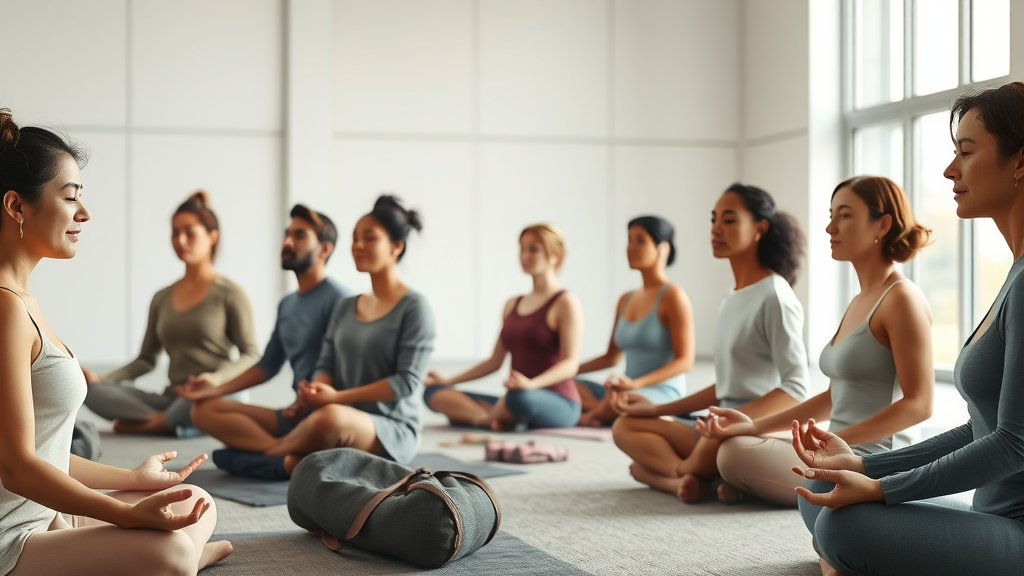
These five activities foster a strong foundation of mindfulness and self awareness. Body scan meditation helps you pay attention to physical sensations, fostering a close connection between body and mind. Mindful walking provides an opportunity to anchor in the present moment, enjoying each step with heightened awareness. Value-based reflection aligns daily actions with core beliefs, increasing both positive affect and life satisfaction. Breathwork sessions regulate emotional state and stress levels, while listening without judgment enhances relationships by creating a space for authentic, non-reactive communication.
People Also Ask: Common Questions About Mindfulness and Self Awareness
How does mindfulness help with self-awareness?
-
Clarifies inner thought processes
-
Promotes objective self-reflection
-
Reduces reactivity
Mindfulness gently increases self-understanding by allowing thoughts and feelings to be observed without judgment. This awareness paves the way for meaningful growth and self-regulation.
What is the difference between self-awareness and mindfulness?
-
Mindfulness is present-focused attention
-
Self-awareness is knowledge of oneself in context
Mindfulness involves tuning into the present moment, while self-awareness involves recognizing one’s own traits, values, and behaviors in various situations.
What are the 3 C’s of mindfulness?
-
Curiosity, Courage, Compassion
The 3 C’s are core attitudes that drive effective mindfulness practice, enriching both awareness and acceptance.
What are the three types of self-awareness?
-
Internal, External, Personal insight
Self-awareness comes in multiple forms, each vital for holistic understanding and authentic living.
FAQs about Mindfulness and Self Awareness
-
Is mindfulness effective for managing anxiety?
Yes, a number of studies suggest that regular mindfulness meditation helps reduce anxiety symptoms by promoting emotional regulation, present-moment awareness, and resilience in the face of stress. -
Can self awareness be taught or is it innate?
While some individuals have a natural tendency for self-reflection, self awareness is a skill that can be nurtured and developed with regular practice and mindful awareness techniques. -
How long does it take to build mindfulness habits?
Research indicates that even a few weeks of consistent mindfulness practice can enhance awareness and reduce negative affect, though deeper changes typically occur over several months of sustained effort. -
What resources are recommended for beginners?
Beginners benefit from guided meditation apps, mindfulness-based stress reduction (MBSR) programs, or books that outline foundational practices for mindful living and self awareness.
Key Takeaways: Cultivating Mindfulness and Self Awareness for Lasting Peace
-
Mindfulness and self awareness support emotional resilience
-
Small daily habits yield transformative results
-
Inner peace is accessible with consistent practice

Conclusion: Finding True Peace Through Mindfulness and Self Awareness
“Where mindfulness and self awareness meet, true, steadfast peace emerges.” – Closing Reflection